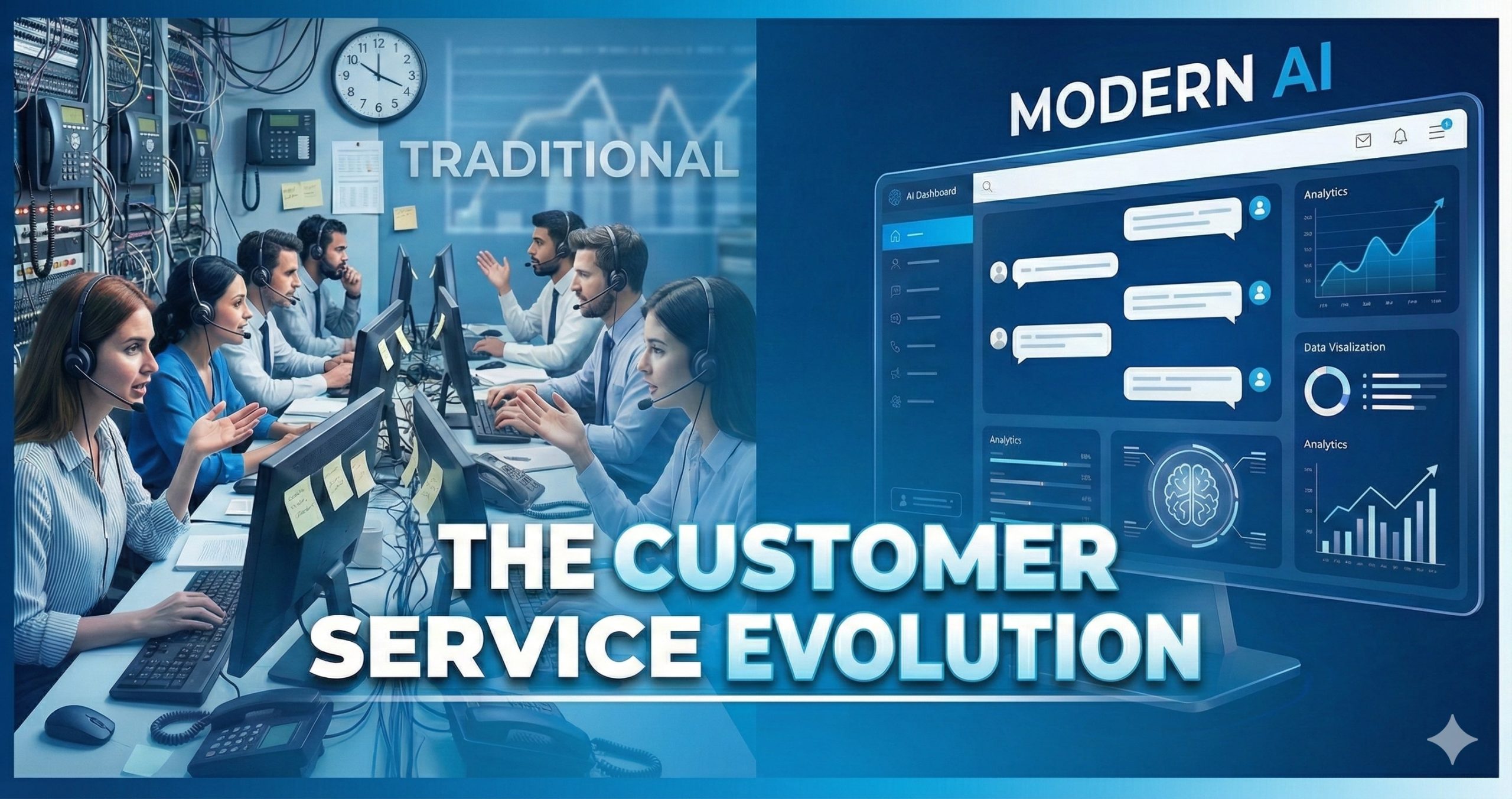

There’s a paradox at the heart of luxury customer service.
VIP clients expect immediate, personalized attention—the kind of white-glove service they’re accustomed to from concierge teams and personal shoppers. But luxury brands also face growing demand: more customers, more channels (web, WhatsApp, Instagram, email), and increasingly global clientele speaking dozens of languages.
The traditional solution—hiring teams of 20+ multilingual support agents—costs upward of €1 million annually and still can’t provide true 24/7 coverage across all time zones.
Can AI really deliver the caliber of service that luxury clients demand? Three European brands discovered the answer is yes—but only when implemented thoughtfully.
Here are their stories.
The Luxury Service Paradox
Before we dive into specific success stories, let’s understand the unique challenge luxury brands face.
What VIP Clients Expect:
Instant responses. When someone is considering a €15,000 purchase, they won’t wait 24 hours for an email reply. They expect answers within minutes, not hours.
Personalized service. Generic responses destroy luxury positioning. Every interaction should feel tailored and premium.
Multilingual capability. Wealthy clients are international. A Swiss watch buyer might message in German, French, or English depending on their location.
24/7 availability. Your VIP customer shopping from a yacht at midnight expects the same service quality as someone visiting your boutique at noon.
Where Traditional Solutions Fail:
Hiring 20+ agents = €800K-1M annually. For many luxury brands, this makes support costs unsustainable as a percentage of revenue.
Outsourcing = losing brand voice. Call centers in other countries can’t authentically represent luxury brand identity and values.
Email-only = too slow. Modern luxury consumers expect instant messaging and real-time engagement.
This is where conversational AI enters the picture—not as a replacement for human expertise, but as a way to handle high-volume, routine inquiries while preserving human touchpoints for complex, high-value interactions.
Success Story #1: Italian Fashion House
 Company Profile:
- High-end fashion and accessories
- Based in Milan
- €20M annual revenue
- 80% repeat customers from high-net-worth individuals (HNWI)
- Products ranging €800-€5,000
 The Challenge:
This fashion house had built its reputation on exceptional customer service. But as they grew, maintaining that standard became increasingly difficult.
The specific problems:
- VIP clients expected responses within 1 hour (they’re used to concierge-level service)
- Support team of 5 couldn’t handle volume during sales seasons
- Lost sales when customers contacted competitors during response delays
- Support costs: €250K annually for a team that was constantly overwhelmed
- No weekend or after-hours coverage despite 40% of inquiries coming outside business hours
The brand was caught between two unacceptable options: compromise service quality or double support costs.
 The Solution:
They implemented a conversational AI assistant over 6 days, integrated with:
- E-commerce platform (real-time inventory and sizing)
- WhatsApp Business (preferred channel for VIP clients)
- Instagram DM (where younger luxury customers engage)
- Email (for older clientele)
The AI was trained specifically on:
- Complete product catalog with materials, sizing, availability
- Care instructions for luxury fabrics and leathers
- Shipping options and customs information for international clients
- Return and exchange policies
Critical design decision: The AI handles routine inquiries instantly but escalates to humans for:
- Styling advice and outfit recommendations
- Custom orders or alterations
- Complex complaints or issues
- High-value clients (automatically recognized from CRM)
 Results After 3 Months:
Response time: 48 hours → 4 minutes average
- Instant answers for product availability, sizing, shipping
- Human agents alerted immediately for complex needs
Customer satisfaction: +32 points (NPS score)
- Clients loved instant responses
- Human agents less stressed, more effective
Support costs: -60% (€250K → €100K)
- Reduced from 5 agents to 2 agents + AI
- Agents now focus exclusively on styling and VIP relationships
Conversion rate: +28%
- Faster responses = fewer abandoned purchases
- Customers complete purchases while interest is high
After-hours sales: €180K captured
- Previously lost revenue from inquiries outside business hours
- International customers in different time zones now served
ROI: Investment paid for itself in 6 weeks
 Key Insight:
“Our VIP clients don’t notice they’re talking to AI for routine questions like availability or shipping. By the time they need styling advice—which is when humans add real value—they’re already impressed by the instant response time. It’s actually elevated our service perception.”
— Customer Experience Director
Success Story #2: Swiss Watch Retailer
Company Profile:
- Luxury timepiece retailer
- Based in Geneva
- €15M annual revenue
- 50% of clients international
- Price range: €5,000-€50,000 per timepiece
The Challenge:
This retailer faced a different problem: linguistic complexity.
The specific situation:
- Clients from 40+ countries
- Complex technical questions about movements, complications, servicing
- Couldn’t afford native speakers for 10+ languages
- Lost approximately €300K annually in abandoned carts from non-English speakers
- International clients often purchased from competitors with local language support
Hiring multilingual specialists for every major language would cost €400K+ annually—and still wouldn’t cover less common languages.
The Solution:
They deployed conversational AI with native-level fluency in:
- Italian, English, French, German, Spanish (European core)
- Russian, Mandarin, Arabic (high-growth luxury markets)
- Plus 90+ additional languages at high quality
Key integrations:
- Product catalog with real-time inventory across boutiques
- Appointment booking for in-store viewings
- Service center scheduling for maintenance
- Authentication and provenance documentation
Unique implementation detail: The AI understands technical watch terminology in all languages—complications, chronographs, tourbillons, power reserve. This wasn’t simple translation; it required training on luxury watch vocabulary.
Results After 2 Months:
Languages served: 2 (IT/EN) → 8 natively
- Eliminated language barrier for 85% of luxury markets
International conversion rate: +45%
- Non-English customers could complete purchases confidently
- Technical questions answered accurately in their language
Appointment bookings: 3x increase
- Clients could book private viewings in their preferred language
- Calendar integration made scheduling seamless
Support costs: -55%
- No need to hire multilingual specialists
- Small team handles escalations only
New market revenue: €220K in first quarter
- Significant uptake from Russian and Chinese luxury buyers
- Markets previously underserved due to language barriers
Customer feedback highlight: Clients frequently commented that responses felt “written by a native speaker” rather than translated.
Key Insight:
“We’re now serving customers in Shanghai at 3 AM Geneva time. Before AI, those leads went to our competitors. Now those international customers are ours—and they’re often our highest-value transactions.”
— CEO
Success Story #3: French Events & Hospitality
Company Profile:
- Luxury event planning
- Based in Paris and Côte d’Azur
- €12M annual revenue
- 200+ events annually
- Clientele: high-end weddings, corporate events, private parties
The Challenge:
This company had a timing problem.
The situation:
- Peak inquiry times: evenings and weekends (when people are researching events)
- 60% of inquiries came outside normal business hours
- Manual quoting process took 24-48 hours
- By the time office opened and quotes were sent, customers had often booked competitors
- High-value events (€50K-€200K) being lost to response speed
The irony: they had availability and could serve these clients—they just couldn’t respond quickly enough to capture the business.
The Solution:
Conversational AI with direct integration to:
- Venue availability calendar (real-time)
- Pricing engine (instant preliminary quotes based on date, guest count, services)
- WhatsApp Business (primary channel for luxury event clients)
- Photo gallery and past event showcase
Smart features:
- Instant venue availability for requested dates
- Preliminary pricing within 5 minutes (based on event parameters)
- Automatic collection of event details (date, guests, preferences)
- Immediate scheduling of consultation calls for serious inquiries
- All data flows directly into CRM for human follow-up
Implementation time: 5 days from kickoff to live deployment
Results After 4 Months:
Booking conversion rate: +40%
- Instant responses captured interest while it was high
- Preliminary quotes gave clients confidence in pricing
After-hours bookings: 35% of total revenue
- €150K/month from inquiries that previously went unanswered
- Weekend inquiries now captured immediately
Time-to-quote: 48 hours → 5 minutes
- Preliminary quotes instant
- Detailed proposals within hours, not days
Customer acquisition cost: -50%
- More efficient funnel (fewer lost leads)
- Higher conversion from inquiry to booking
Staff redeployment:
- Administrative staff moved from data entry to high-touch client relationships
- Planning team focused on creating exceptional experiences, not answering basic inquiries
Customer feedback: Clients consistently mentioned “professionalism” and “responsiveness” as deciding factors.
Key Insight:
“Our AI assistant handles the routine parts—availability, preliminary pricing, logistics questions. My team now focuses entirely on designing magical experiences. That’s what luxury clients actually pay for, and that’s where human creativity and empathy truly matter.”
— Founder
Common Patterns Across All Three Success Stories
While these brands operate in different sectors (fashion, watches, events), their AI implementations share key success factors:
1.  Implementation Speed: Days, Not Months
All three went from decision to live deployment in 5-7 days:
- No six-month enterprise consulting engagements
- No massive IT projects
- No disruption to operations
Why this matters: Fast implementation means faster ROI and ability to adjust quickly based on real customer feedback.
2.  Human + AI Collaboration
None of these brands replaced human service—they augmented it:
- AI handles high-volume, routine inquiries (70-80%)
- Humans focus on complex, high-value interactions (20-30%)
- The combination delivers better service than either alone
The luxury principle: Use AI for efficiency, reserve humans for empathy and expertise.
3.  ROI in Weeks, Not Years
All three achieved positive ROI within 2 months:
- Fashion house: 6-week payback period
- Watch retailer: 8-week payback
- Events company: 7-week payback
Why so fast: Immediate cost reduction (fewer agents needed) plus revenue capture (after-hours, international, faster response).
4.  Scale Without Proportional Cost
All three can now:
- Serve 10x more customers without 10x more staff
- Support dozens of languages without multilingual hiring
- Provide 24/7 coverage without shift teams
- Expand to new markets without new offices
The scaling advantage: Growth no longer requires proportional support cost increases.
Beyond Luxury: Lessons for Any Premium Brand
While these are luxury brand examples, the principles apply to any business offering premium products or services where:
Customer service quality is part of your value proposition Response speed impacts conversion rates You serve international or multilingual customers Your products/services are complex enough to generate questions You want to scale without compromising service quality
Industries Seeing Similar Success:
Professional services: Law firms, consultancies, agencies
B2B technology: SaaS, enterprise software, managed services
Healthcare: Private clinics, medical tourism, specialized treatments
Real estate: Luxury properties, international buyers
Financial services: Wealth management, private banking
The common thread: any business where customers expect premium service and are willing to pay for it.
Implementation Considerations for Premium Brands
If you’re a premium or luxury brand considering AI assistants, here are key factors these success stories highlight:
1. Brand Voice is Critical
Generic AI responses will damage luxury positioning. Your AI must:
- Reflect your brand personality and values
- Use appropriate language and tone
- Understand your product expertise level
Investment needed: 2-3 hours configuring brand voice and reviewing initial responses
2. Integration Depth Matters
The more systems your AI connects to, the more value it delivers:
- CRM (customer history and preferences)
- Inventory (real-time availability)
- Booking systems (appointments, reservations)
- WhatsApp/Instagram (where luxury customers engage)
Implementation time: Most integrations configured in 2-4 days
3. Escalation Logic is Essential
AI should recognize when human expertise adds value:
- Complex requests requiring judgment
- VIP customers (automatically identified)
- Complaints or sensitive issues
- Opportunities for upselling or relationship building
Configuration time: 1-2 hours defining escalation rules
4. Continuous Refinement Improves Results
The brands above didn’t stop at launch—they:
- Reviewed conversations weekly for first month
- Refined responses based on customer feedback
- Expanded AI capabilities gradually
- Trained on edge cases as they appeared
Ongoing time investment: ~2 hours monthly after initial 30 days
The Competitive Advantage Window
Here’s something all three brands mentioned in follow-up conversations: they gained a competitive advantage by moving early.
The timing advantage:
Their competitors are still operating with traditional support models—slow response times, limited hours, language barriers. By implementing AI first, these brands captured:
- Customers frustrated with competitors’ slow service
- International customers underserved by local competitors
- After-hours business that others miss entirely
But this advantage won’t last forever. As more luxury brands adopt AI, it becomes table stakes rather than differentiator.
The message: Early adopters gain 12-24 months of competitive advantage before AI becomes industry standard.
Getting Started: Is AI Right for Your Brand?
Not every luxury brand needs AI immediately. Consider AI automation if:
You’re experiencing response time challenges You’re losing business outside office hours You want to expand internationally but language is a barrier Your support costs are growing unsustainably You want your team focused on high-value interactions, not repetitive inquiries
If 3+ of these apply, the ROI case for AI is likely strong.